Hard Leisure, solo exhibition, Katharen Wiese
University of New Haven, Seton Gallery, 3/16/26 to 4/10/26
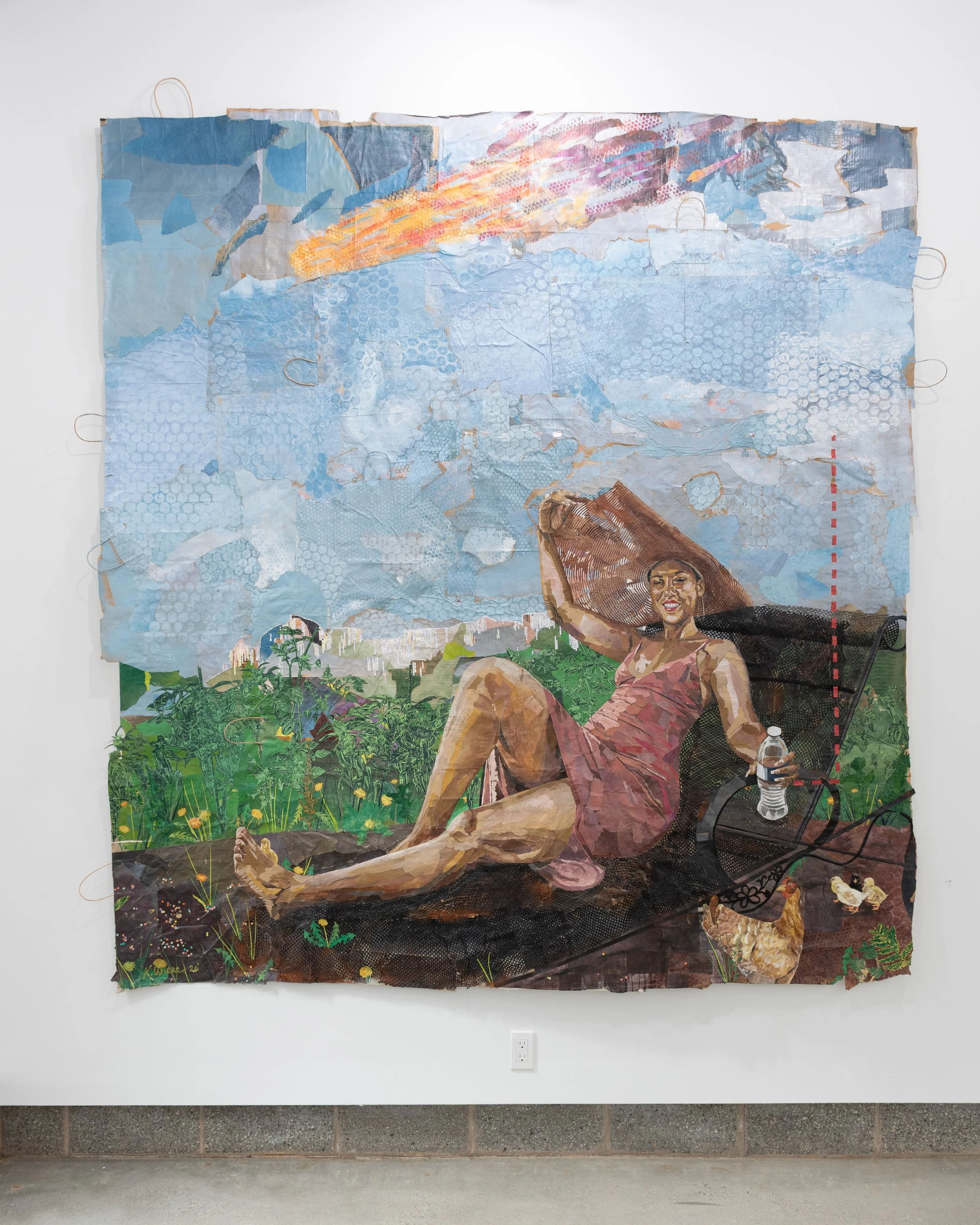
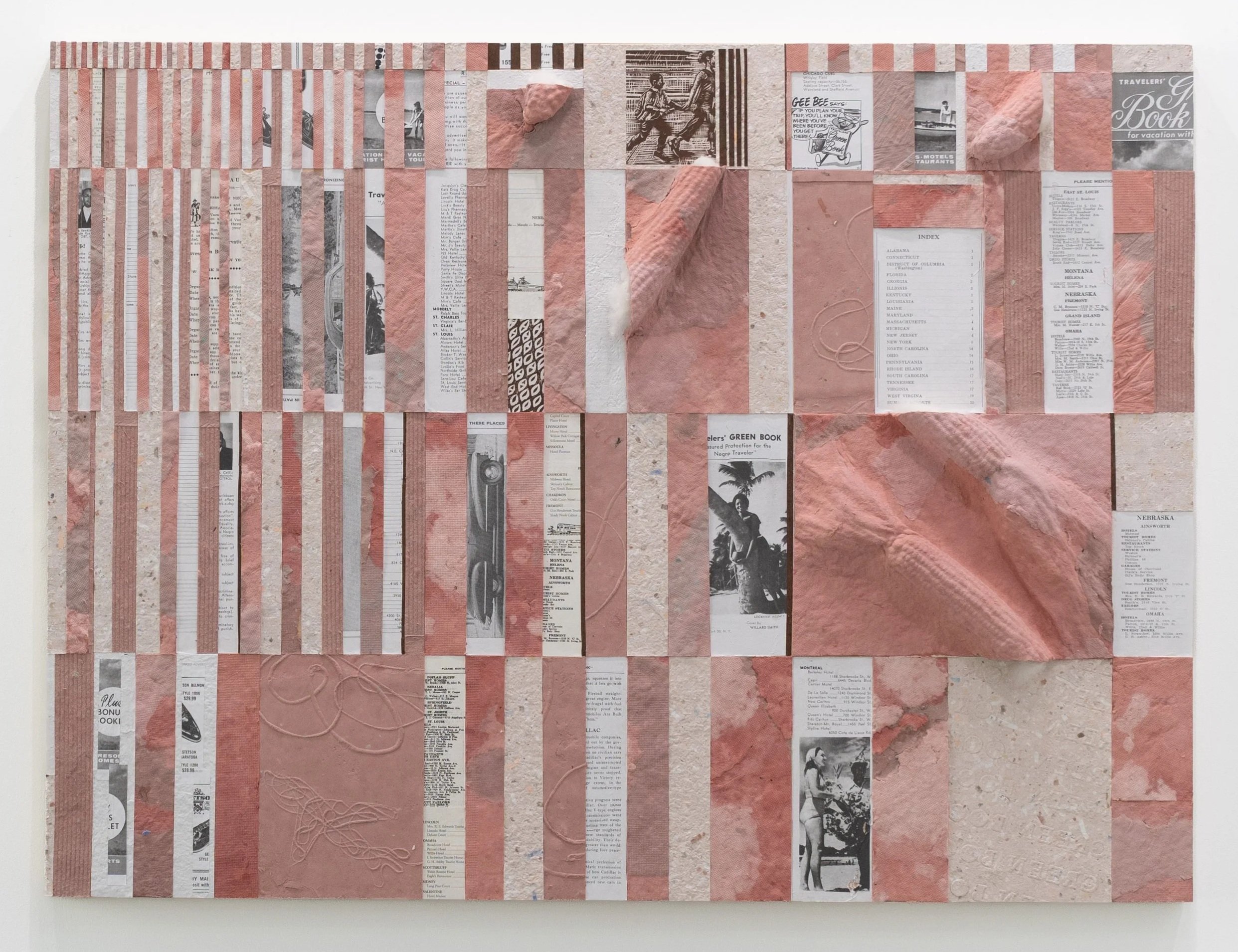
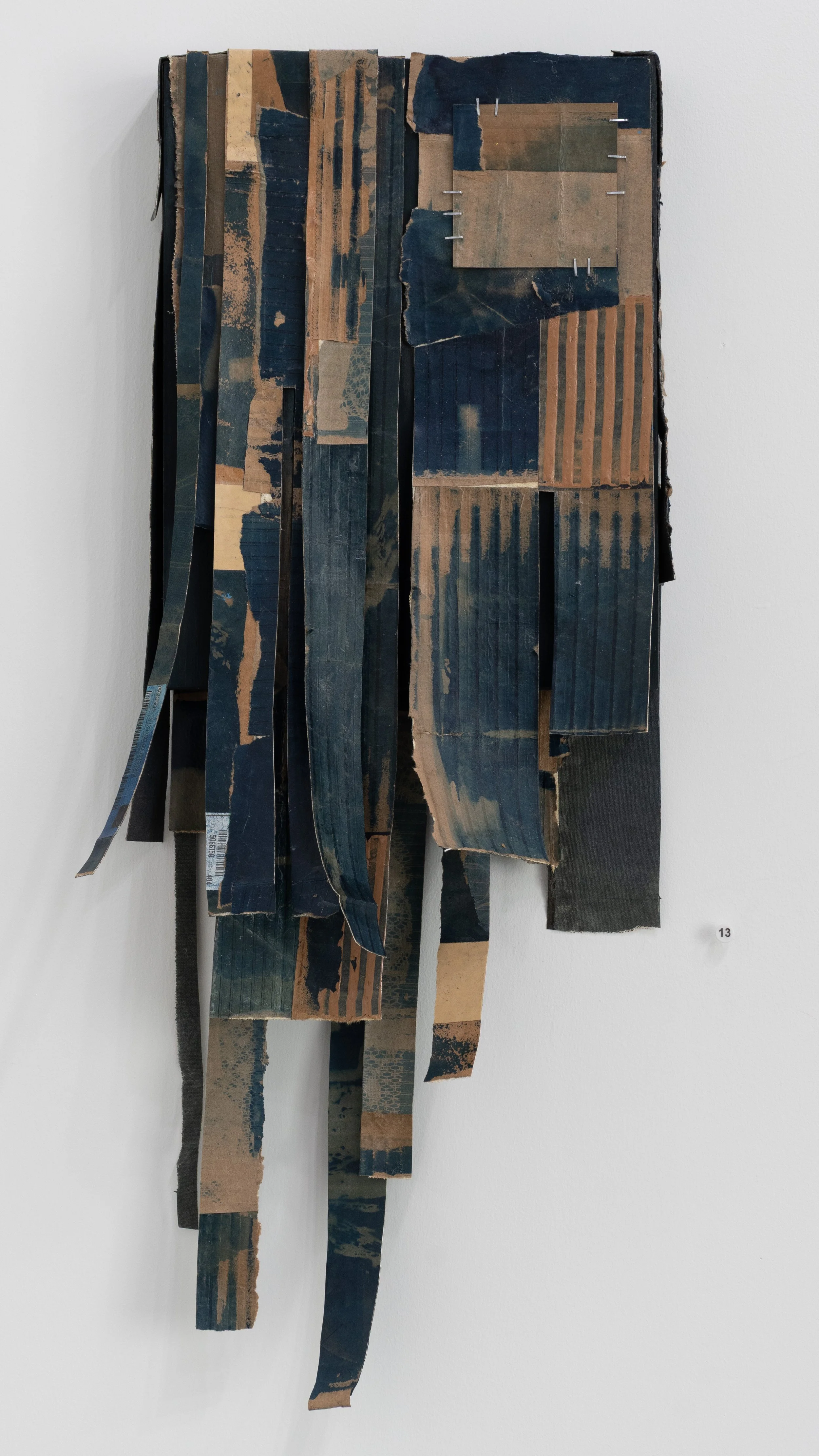
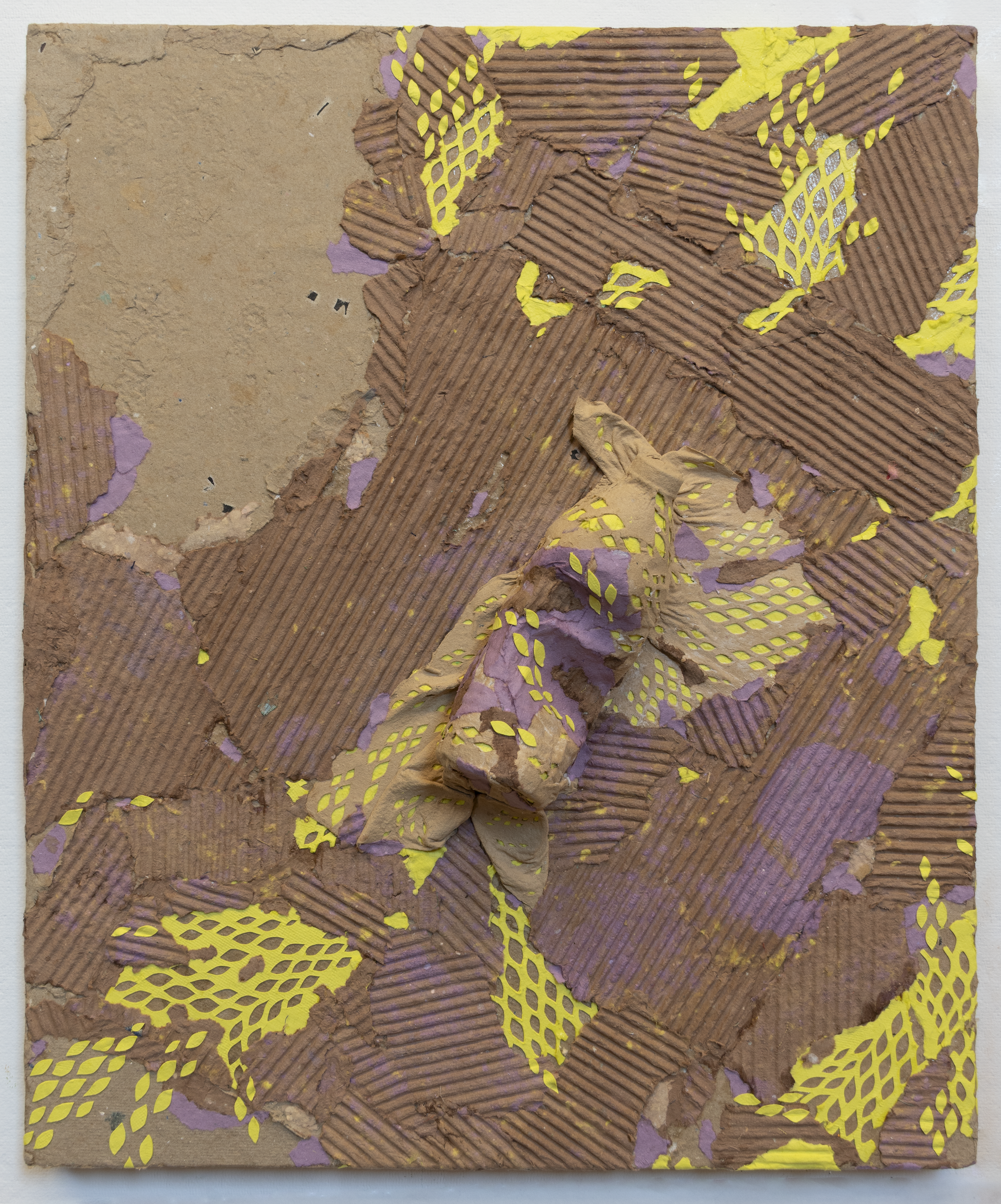
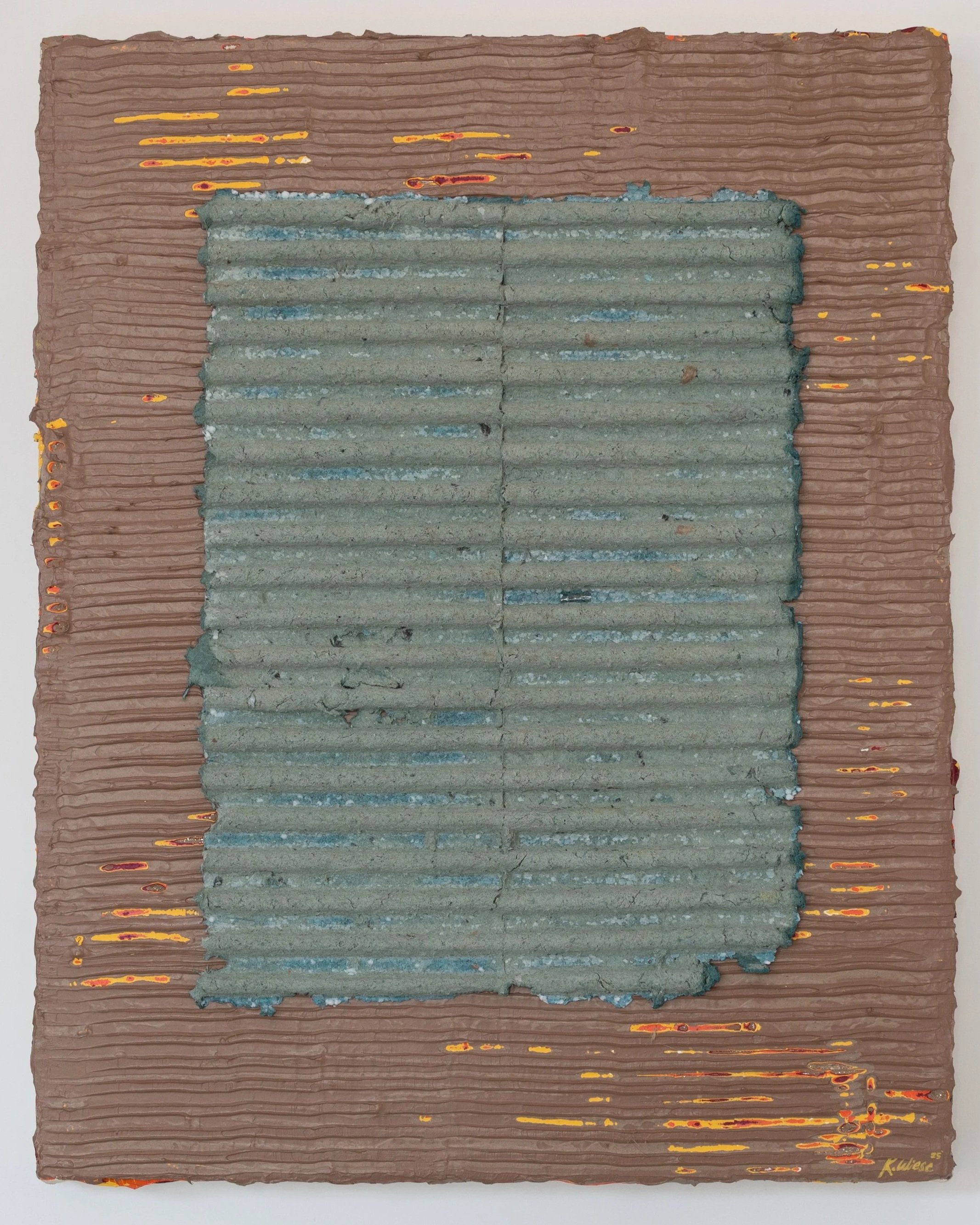
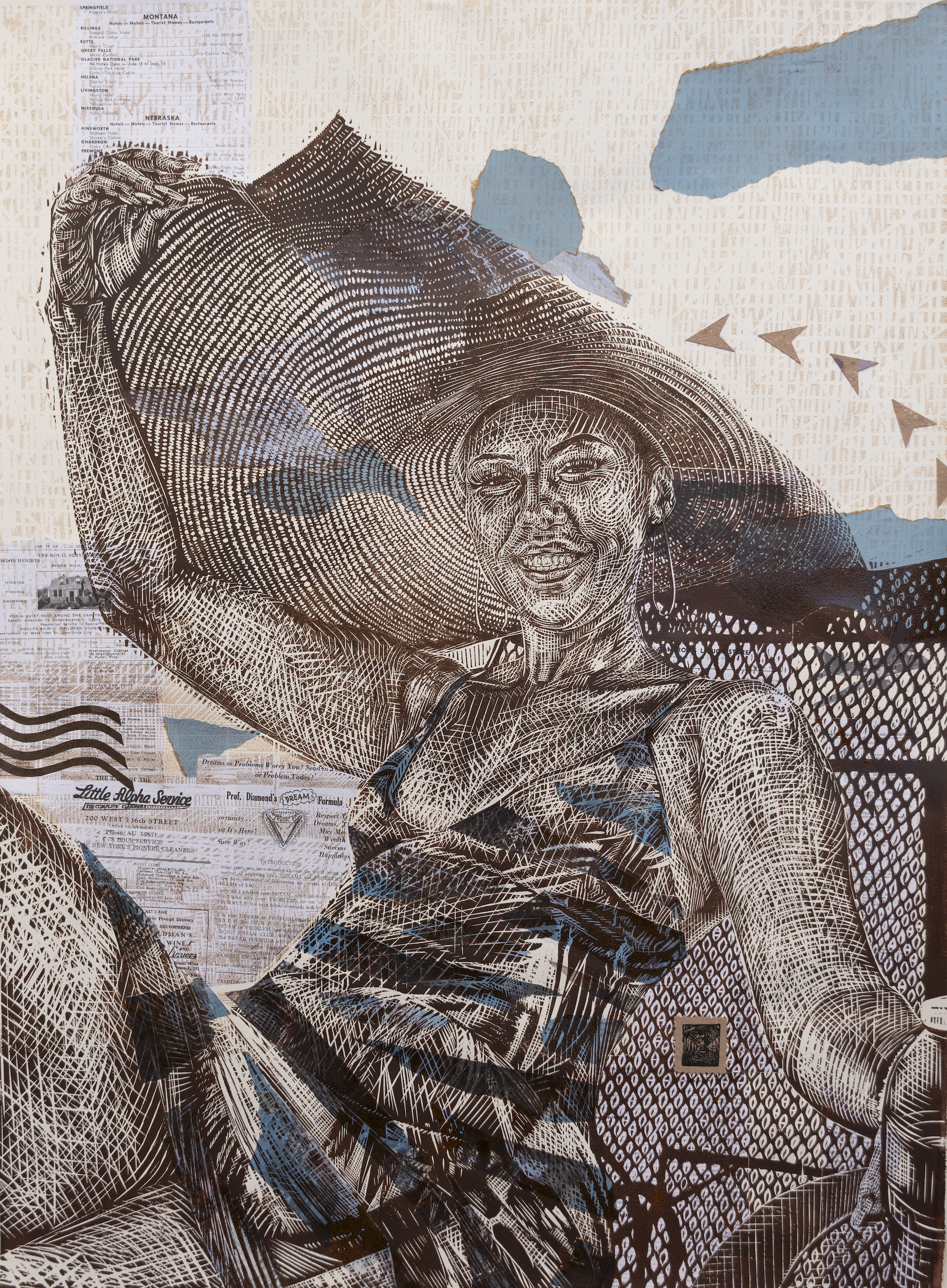
Hard Leisure considered the difficulty and luxury of leisure through printmaking, painting and handmade paper. In the monumental painting, how to smile at the end of our world, Wiese contends with the idea of apocalypse and the subtle ways individuals are both implicated in and resisting environmental crises. The exhibition’s namesake work is a relief print of Nebraskan nail artist Imagine Uhlenbrock, whose representation is central to the show.
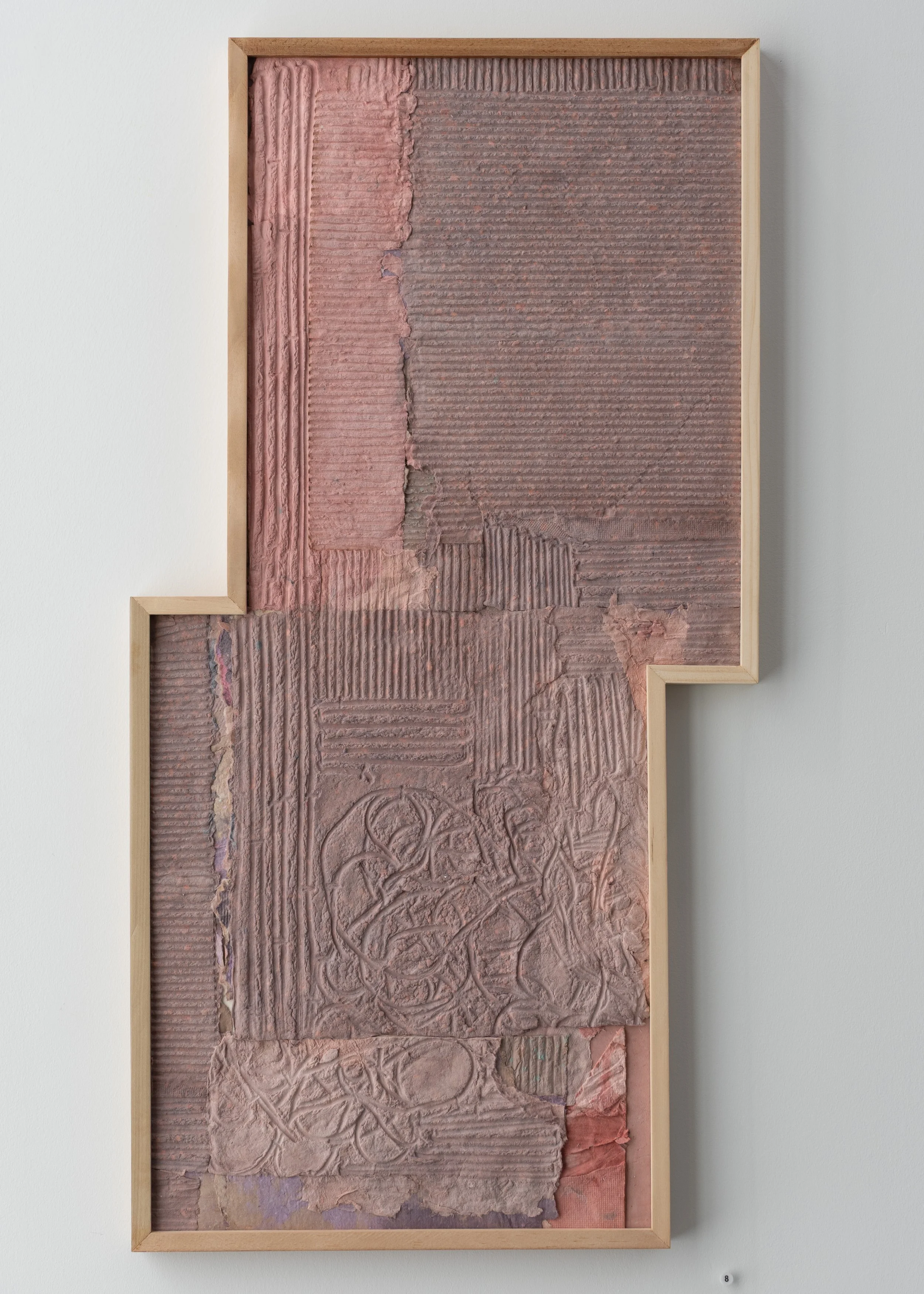
This portrait is among a series, i made the cornrows: Portraits of Black Nebraskans which uses long form collaboration as a foundation for imagemaking. The relief print is layered over a collage with pages from the Negro Traveler’s Greenbook, kraft paper, and handmade paper elements denoting postage and digital messaging. The dissemination of the print itself becomes a kind of postcard, both nostalgic and confronting the enormous difficulty faced by African Americans historically as they tried to vacation in the United States.
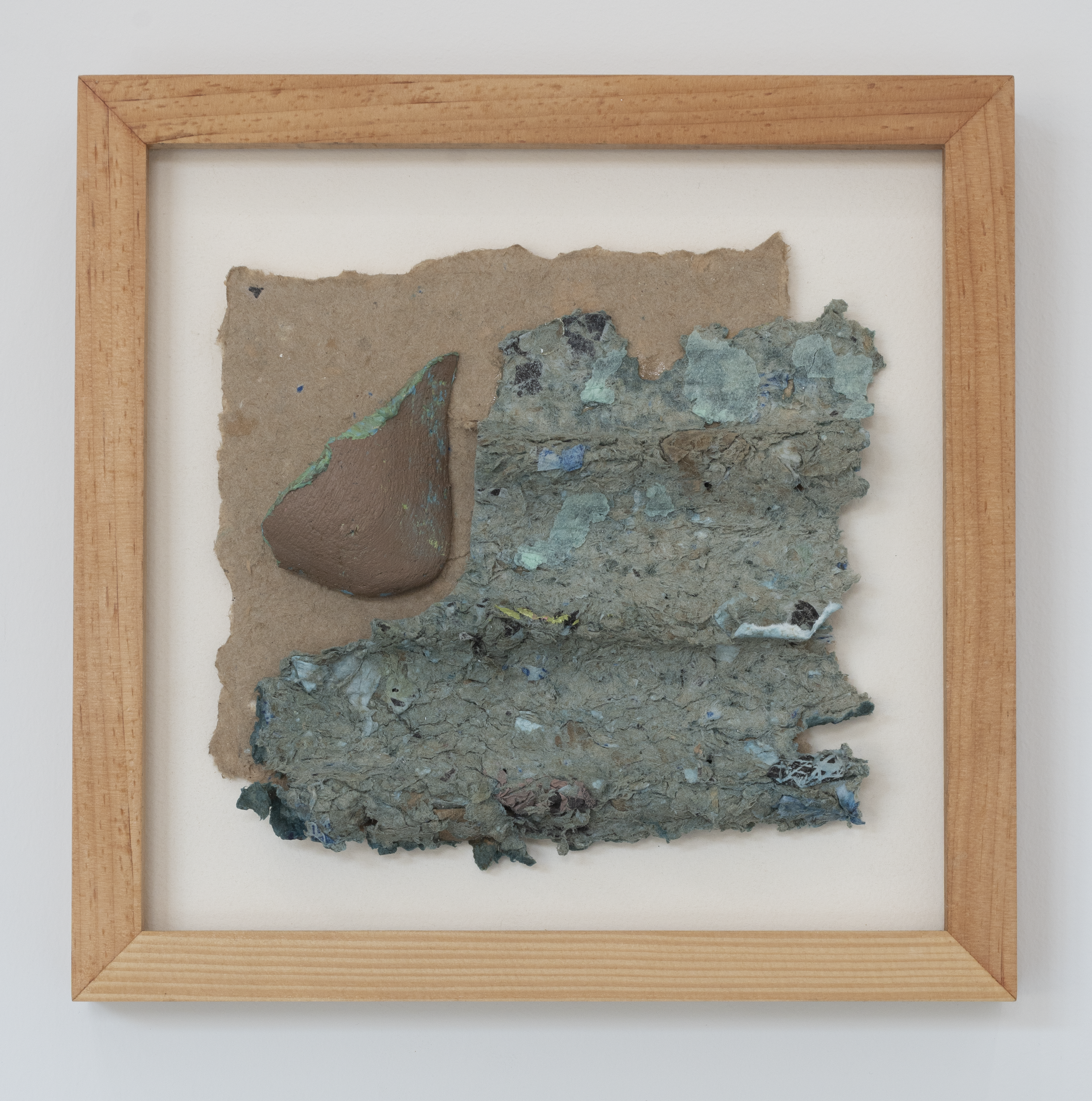
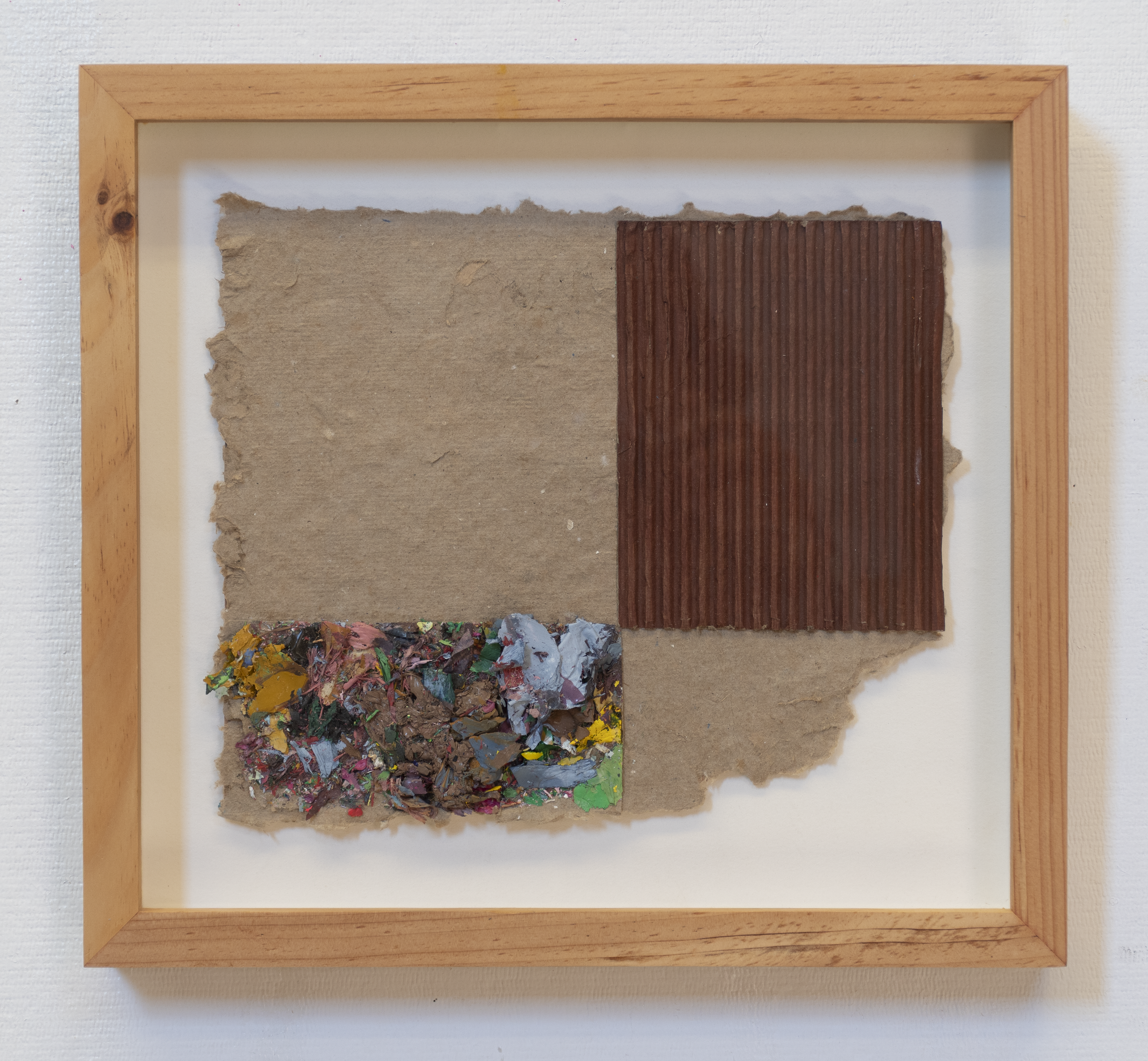
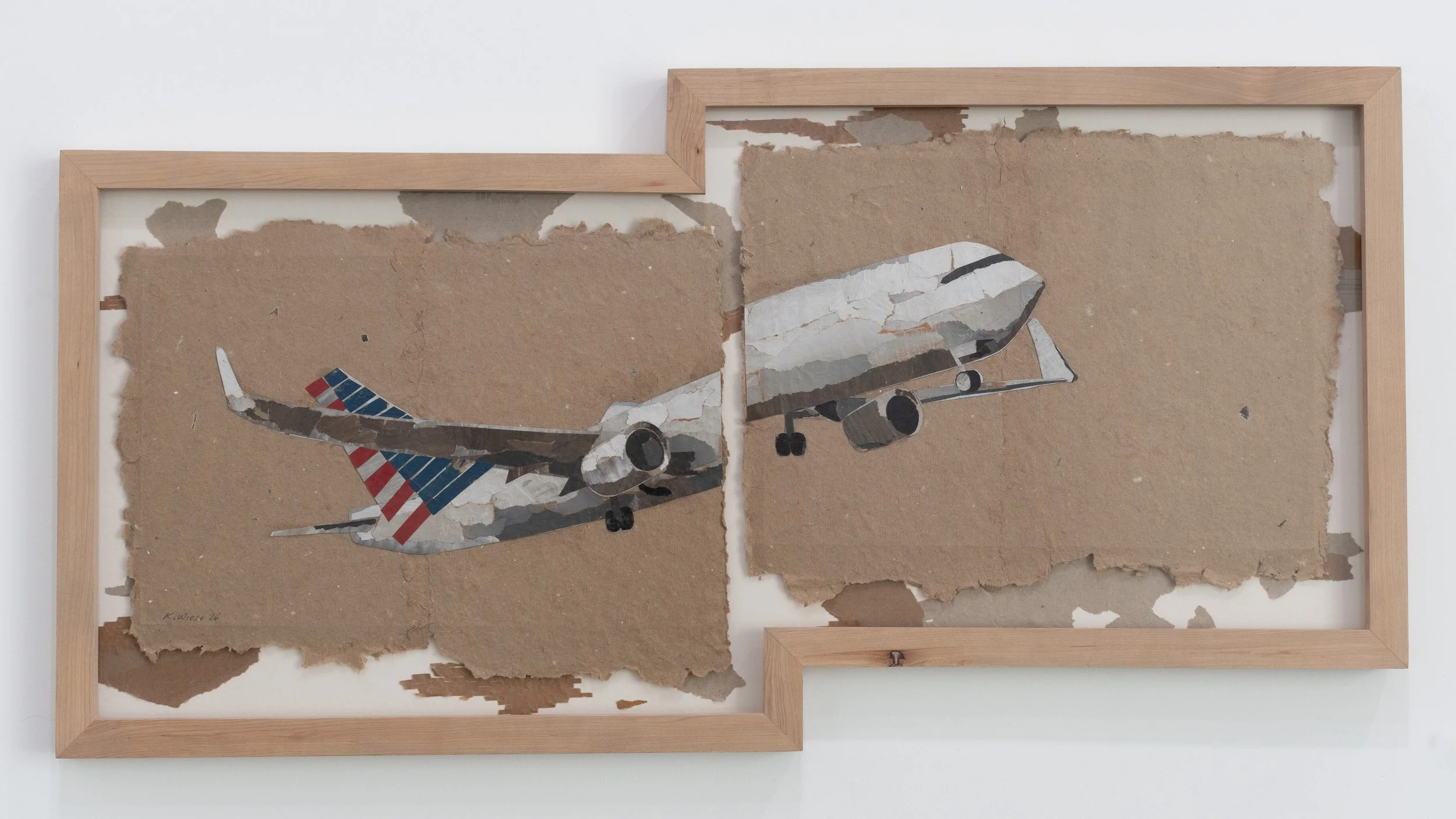
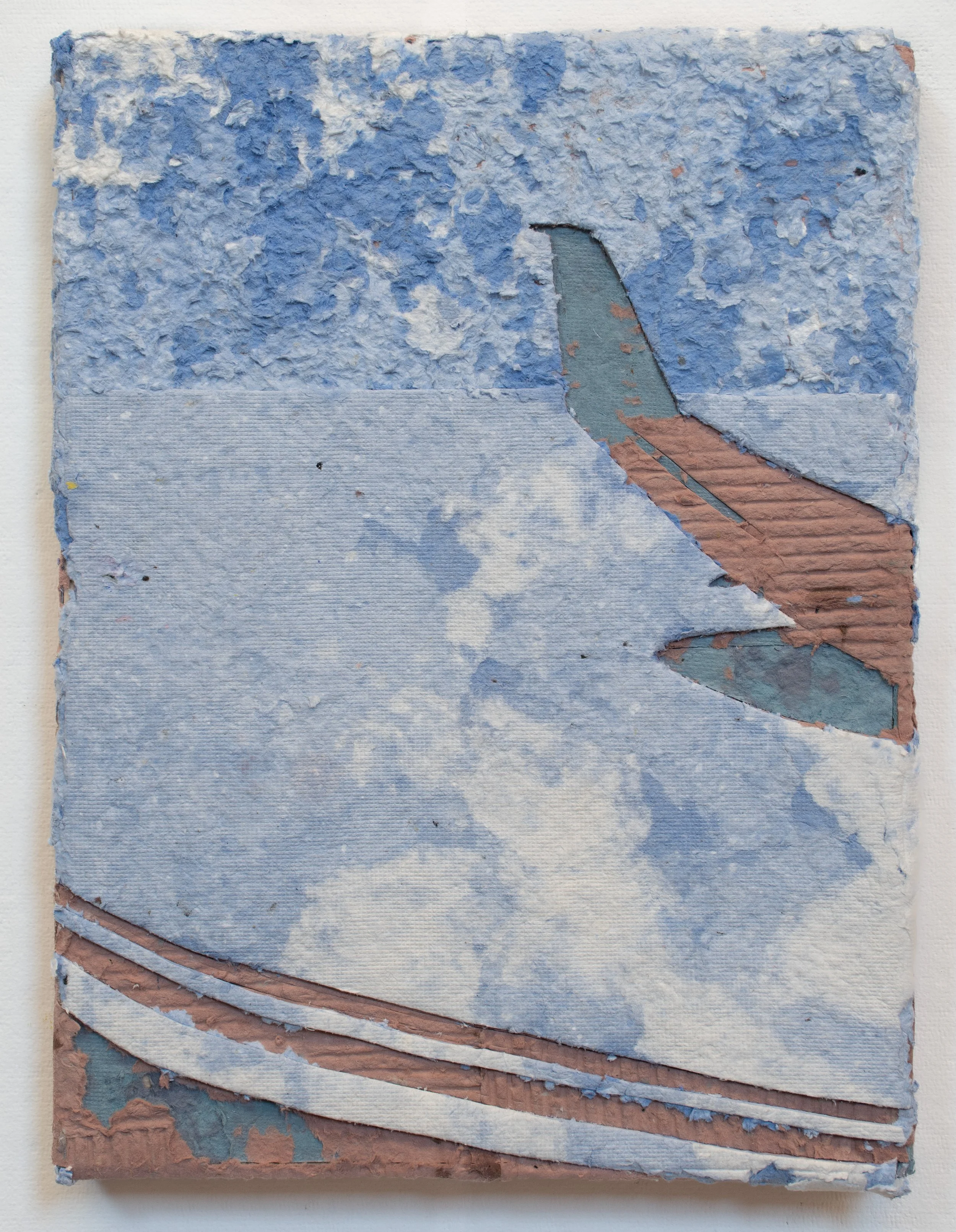
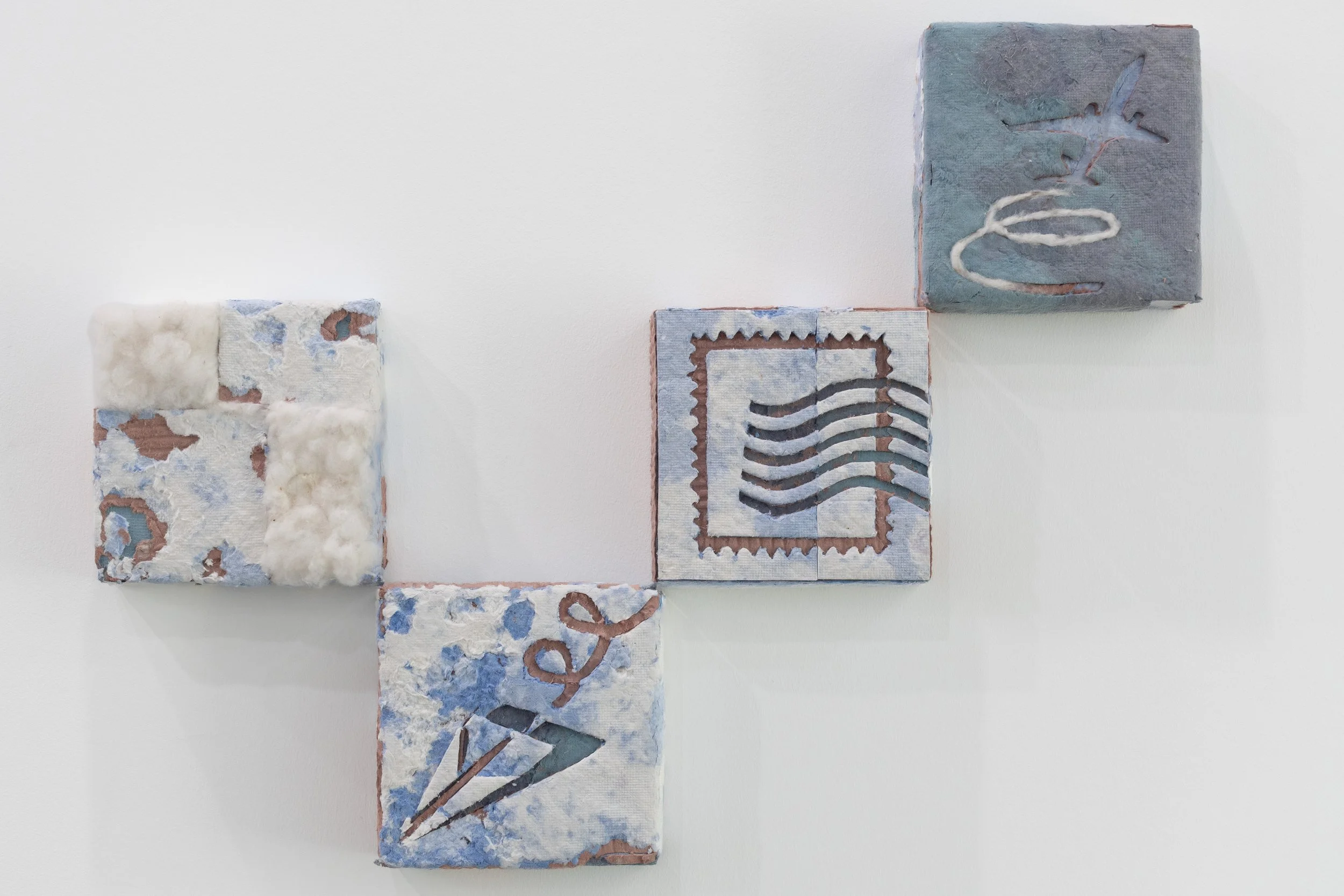
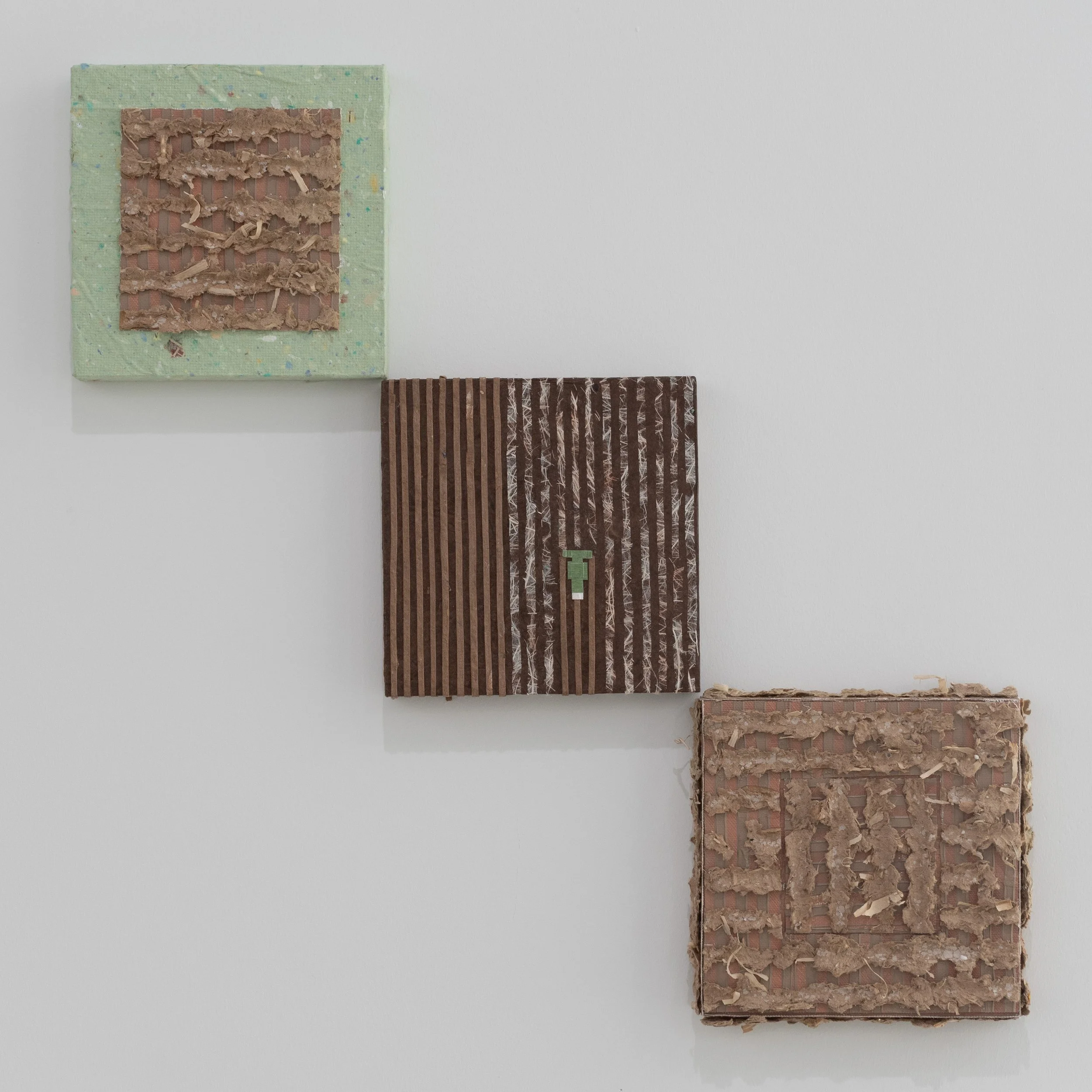
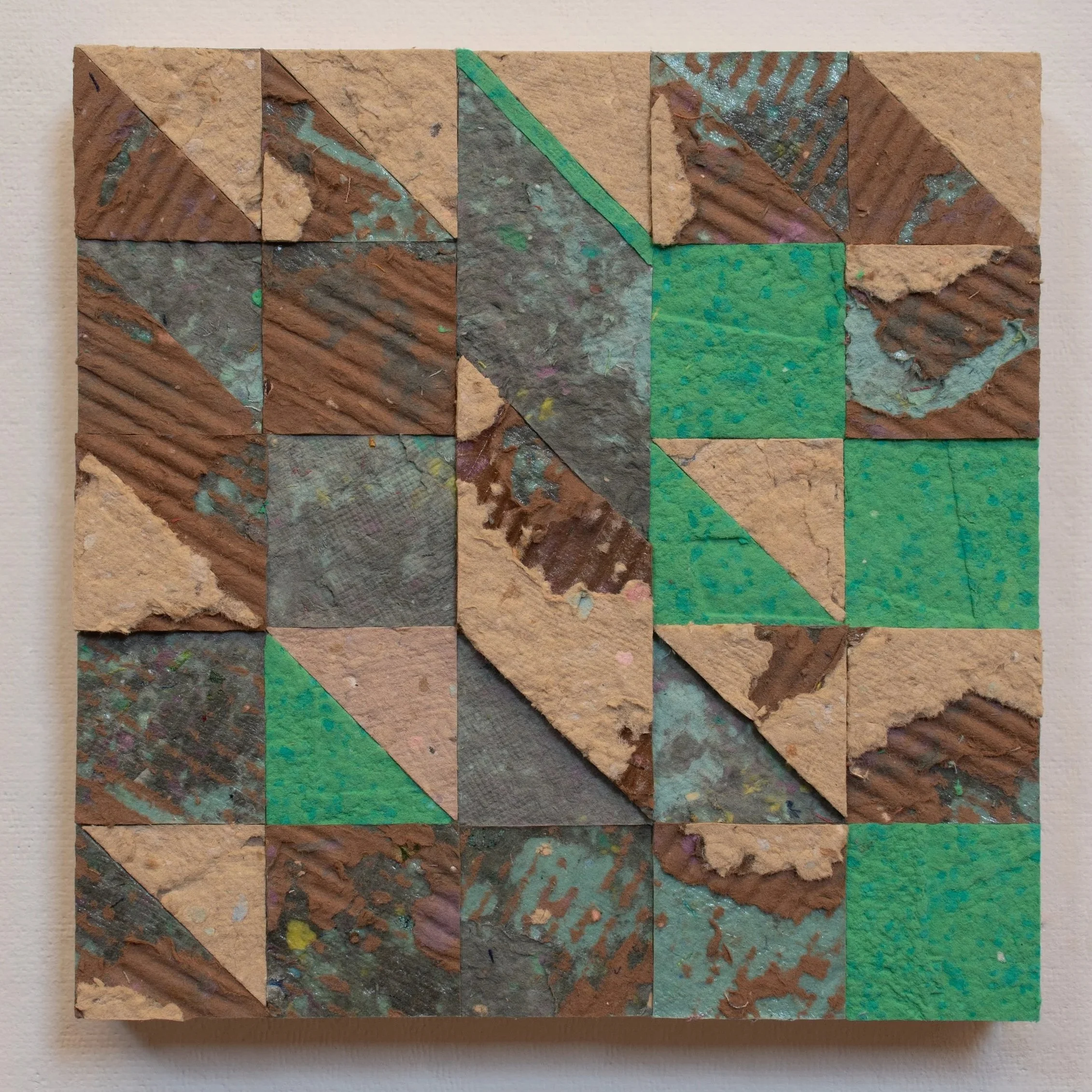
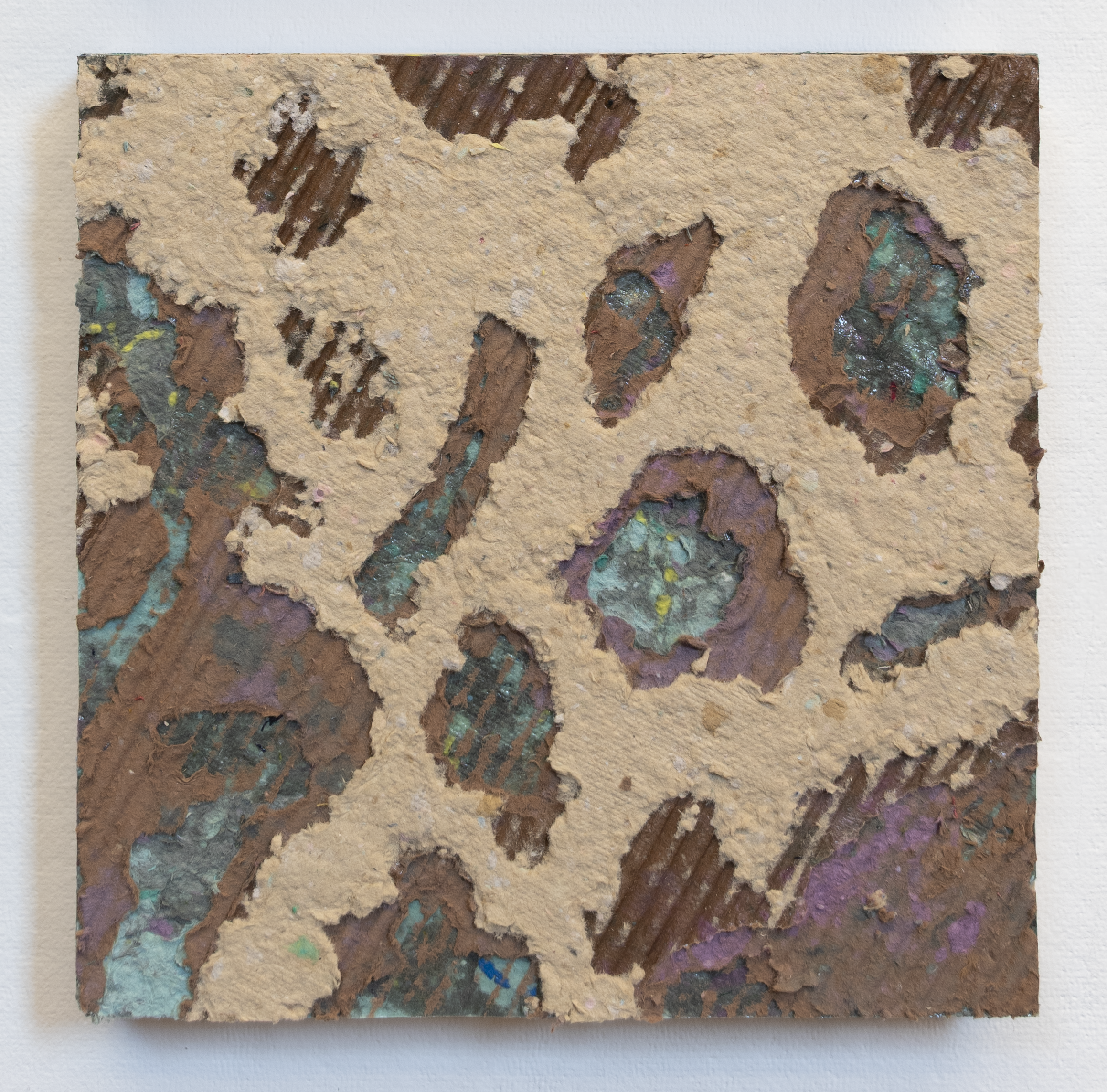
Throughout the show, the use of both materials and motifs subtly nod to the idea of product movement: corrugated cardboard, corrugated cotton paper, kraft paper from cardboard boxes, and even brown paper bags. Repeated imagery of airplanes, postage and the sky move between both literal representation and symbolic form. Together, these works nod to the contribution of air travel and transportation to the realities of climate change. Trails of cotton fiber extend out of the silhouette of an airplane in the handmade paper work, parcel. The work situates its subjects in transit, shipment, and exit: the artworks are composed of commodity culture, even as they insist on the reevaluation of humble materials.
![Installation view "Hard Leisure" [1]](https://images.squarespace-cdn.com/content/v1/5b4d74701aef1d0264ba8aca/2c2adbf1-a2c6-439b-99ce-451bc770e196/hll+edited+INSTALL-12.jpg)
![Install view "Hard Leisure" [2]](https://images.squarespace-cdn.com/content/v1/5b4d74701aef1d0264ba8aca/82be7f4e-6f93-4983-9e8c-f4c8ebd176fc/parcels-1.jpg)
![Install view "Hard Leisure" [3]](https://images.squarespace-cdn.com/content/v1/5b4d74701aef1d0264ba8aca/1774485465196-7TL3CLFFZL0SQ5FZIYPF/hard+leisure+install.jpg)
![how to smile at the end of our world [detail]](https://images.squarespace-cdn.com/content/v1/5b4d74701aef1d0264ba8aca/1774483792353-MV2GQYCYQALJ00HG9NYN/HTS+socials-3.jpg)
![Hard Leisure [detail]](https://images.squarespace-cdn.com/content/v1/5b4d74701aef1d0264ba8aca/1765120105451-2EG9Z3U3930UT0FTZMQB/KW+paper+play+work+update-10.png)